Your Majesties,
Ladies and Gentlemen,
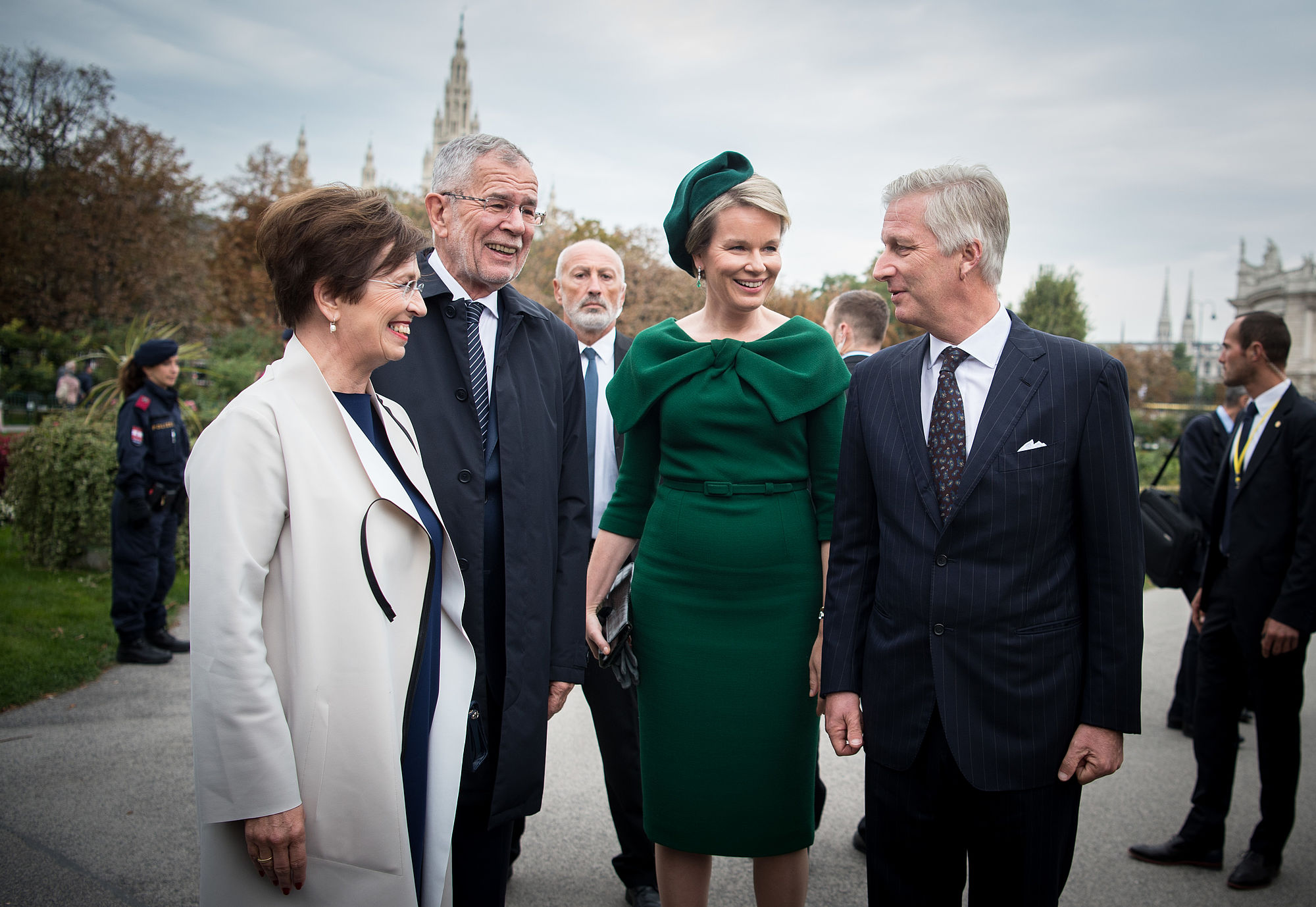
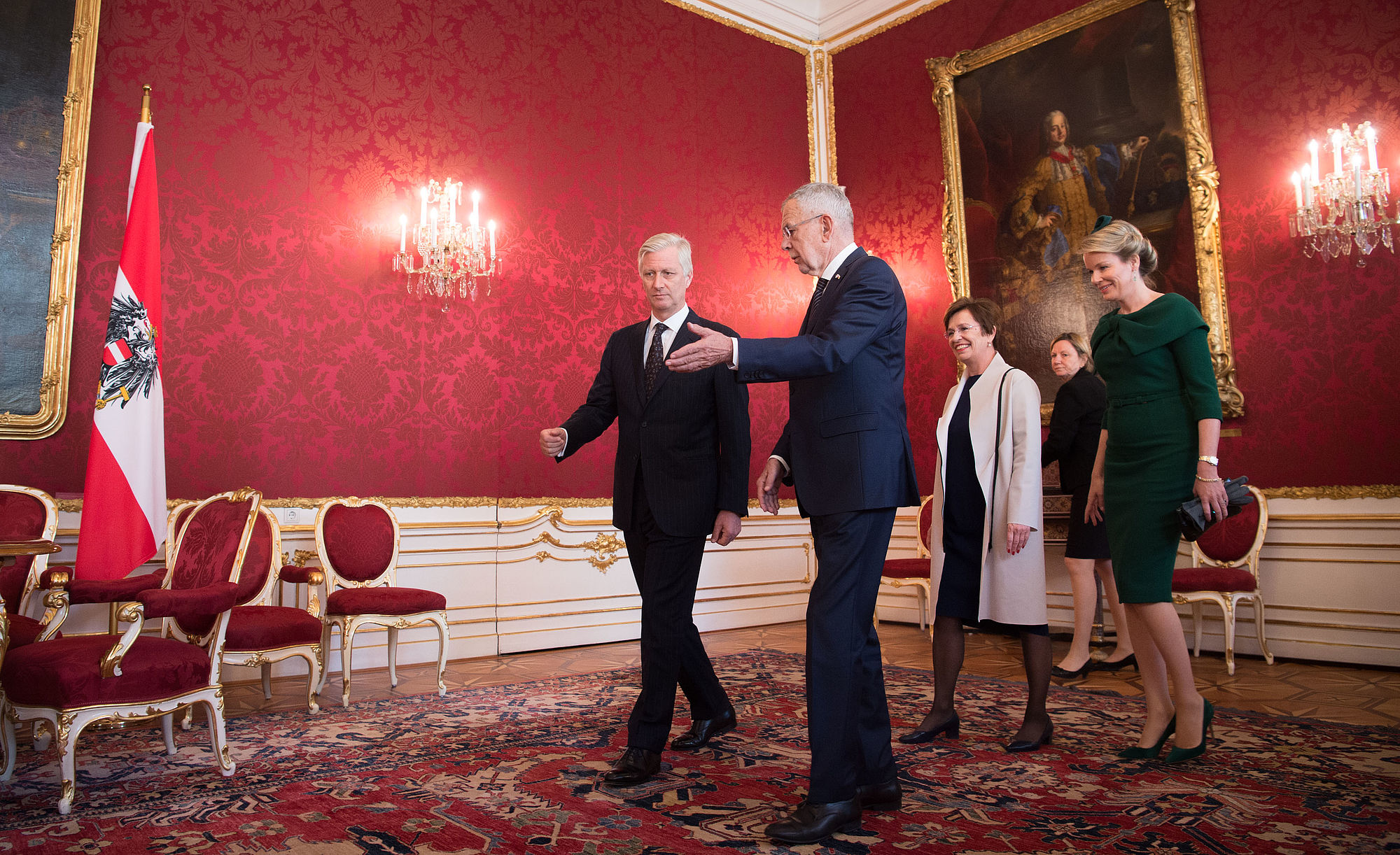
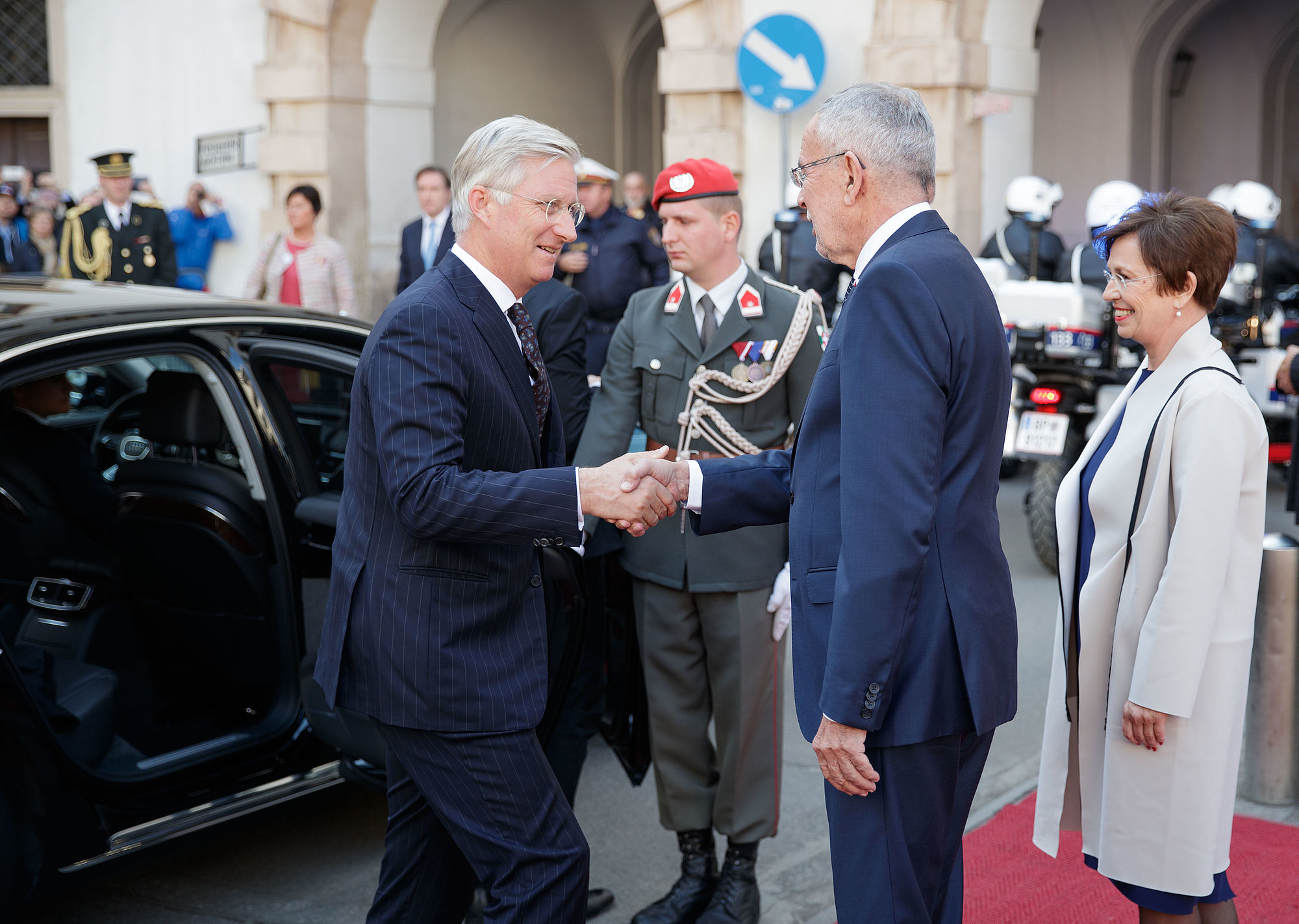
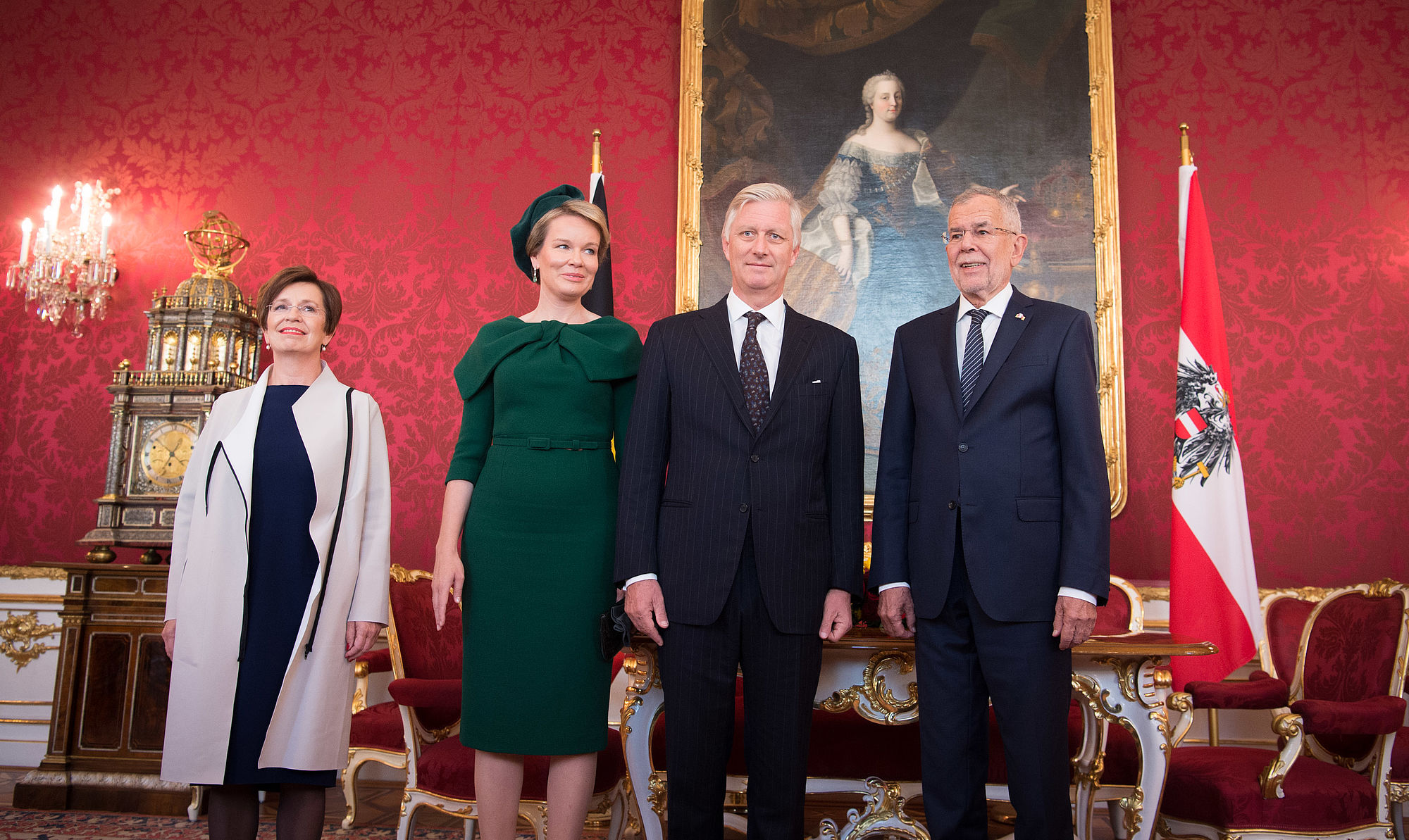
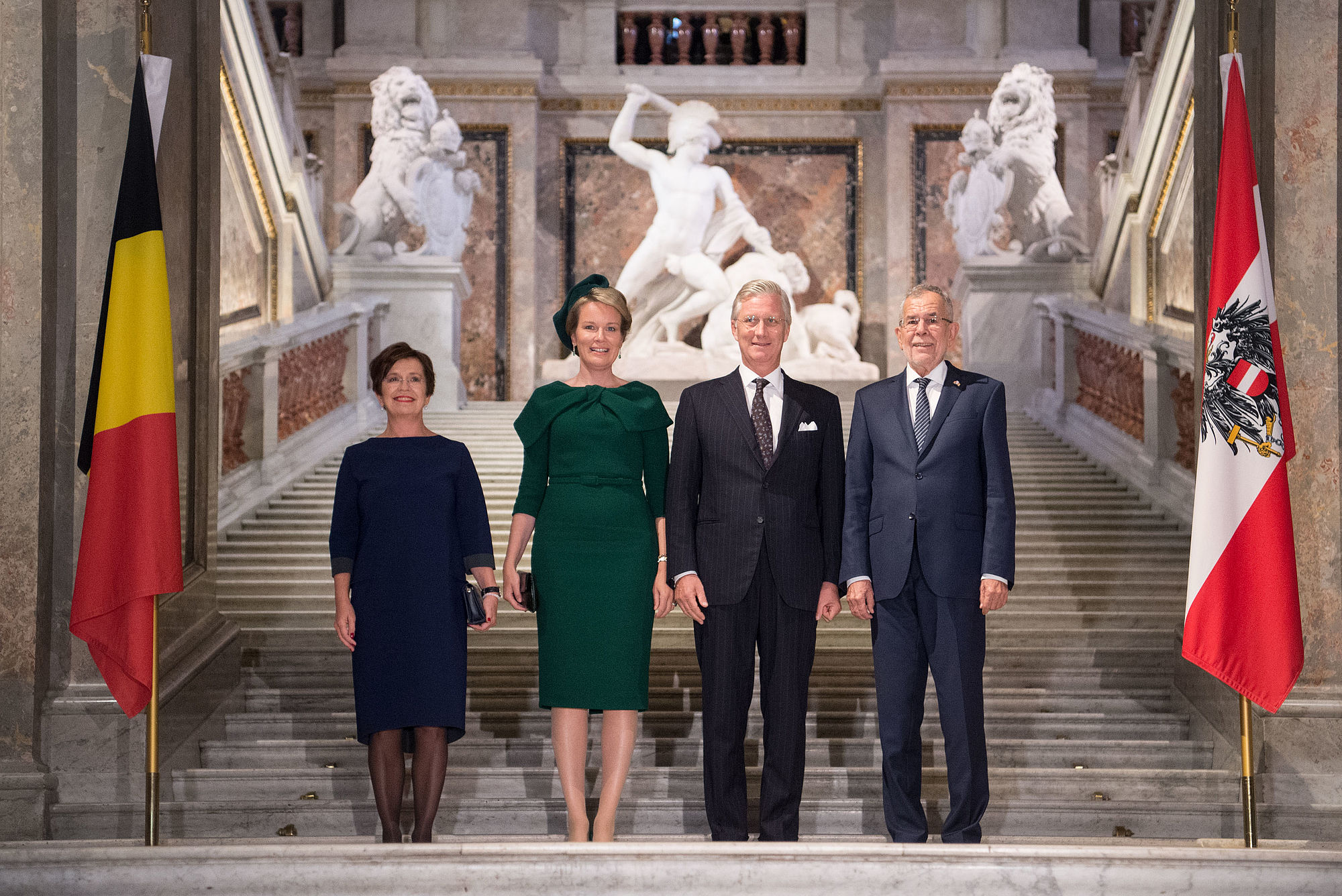
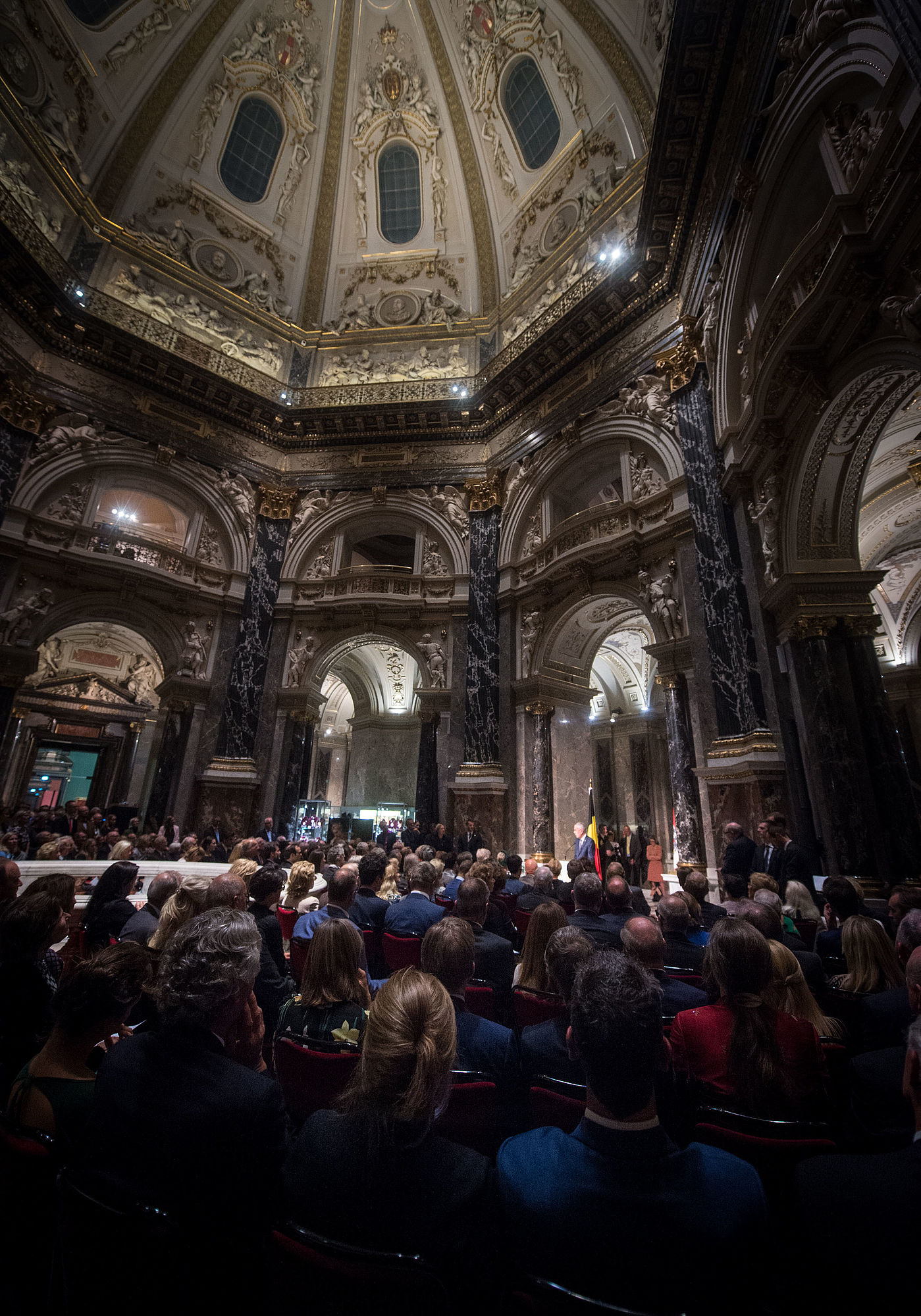
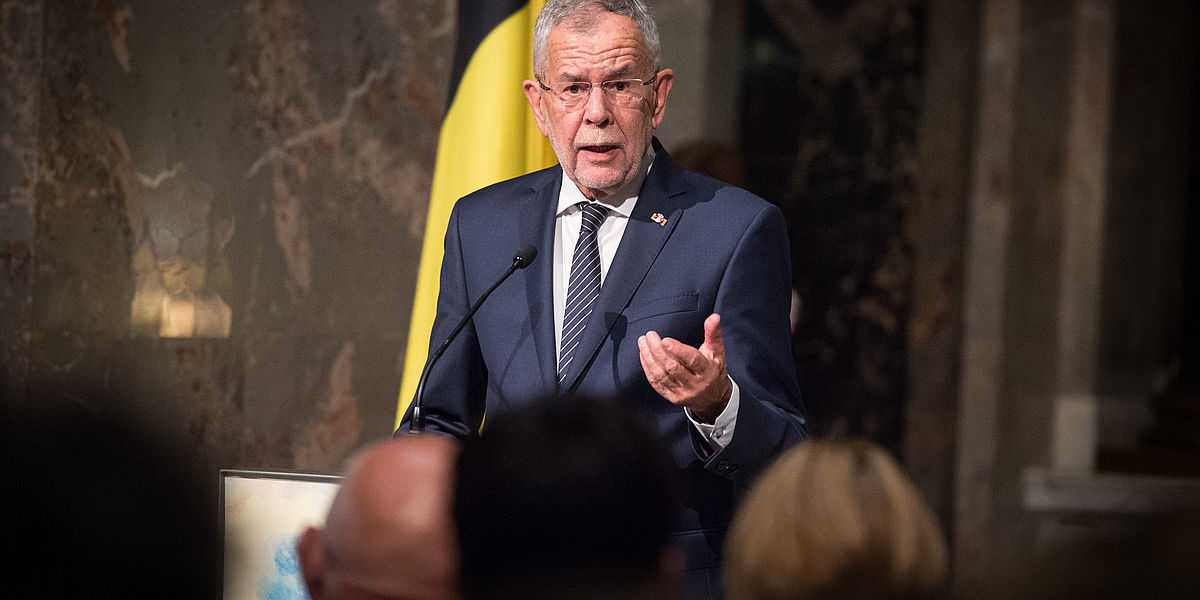
I am very pleased that the official visit by Your Majesties, the King and Queen of the Belgians, culminates here at Vienna’s Kunsthistorisches Museum, the cultural highlight of your visit.
Belgium and Austria share an eventful common history. And they also share a common present in the spirit of peace, mutual respect and solidarity.
Today’s visit reflects those excellent bilateral relations.
Ladies and gentlemen,
Da Vinci’s Mona Lisa at the Louvre in Paris, Raphael’s Sistine Madonna at the Gemäldegalerie in Dresden
(the one with the two bored-looking angels at the foot of the painting), Klimt’s The Kiss at the Belvedere in Vienna…
People all over the world associate different picture galleries with specific works of art. That may be unfair, because it reduces the variety and abundance of many museums’ collections to just a few paintings.
But I would like to go on playing the game:
Three paintings at the Kunsthistorisches Museum would have a good chance of at least making it to the finals:
- The Peasant Wedding,
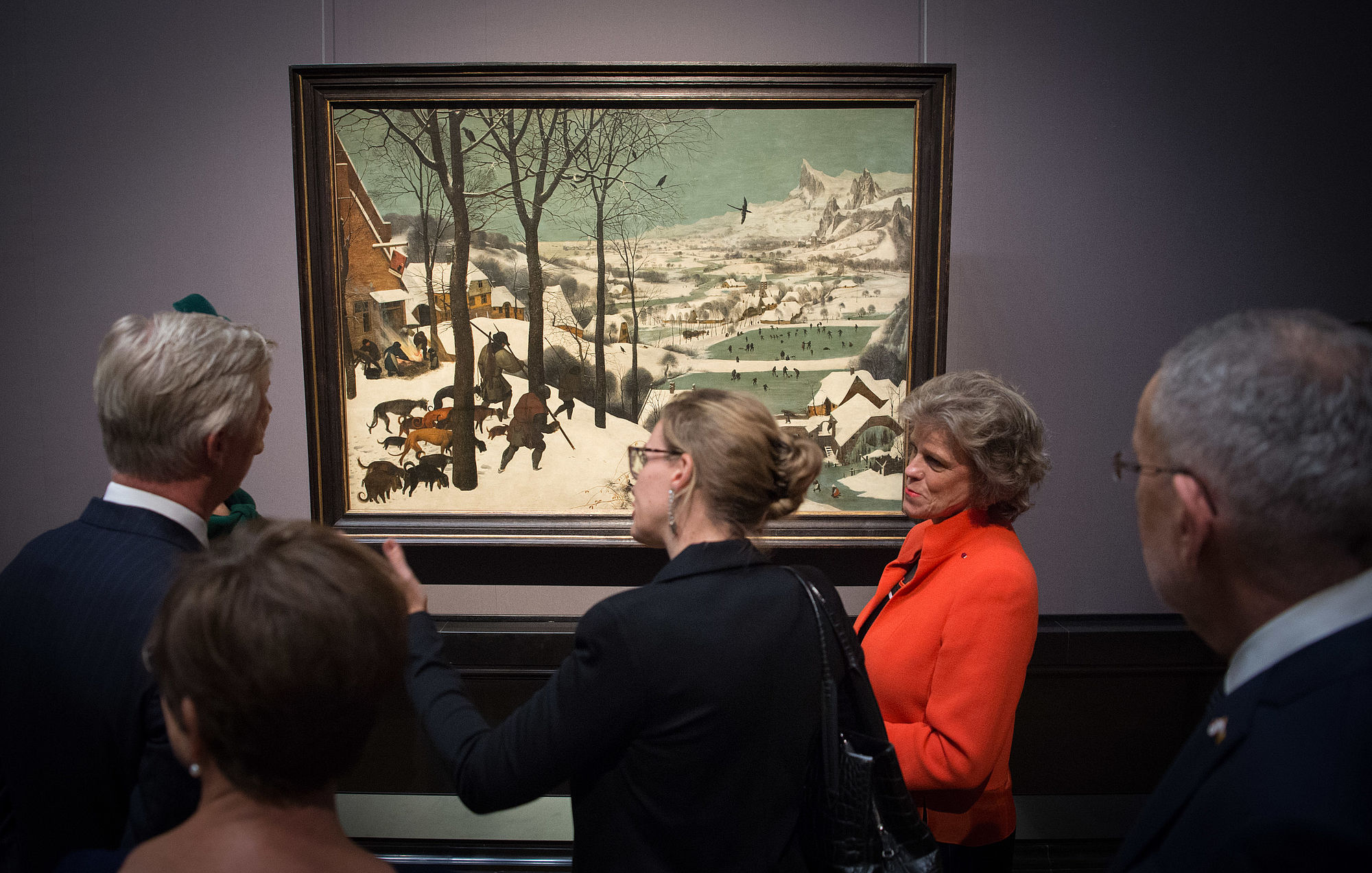
- The Hunters in the Snow and
- The Tower of Babel
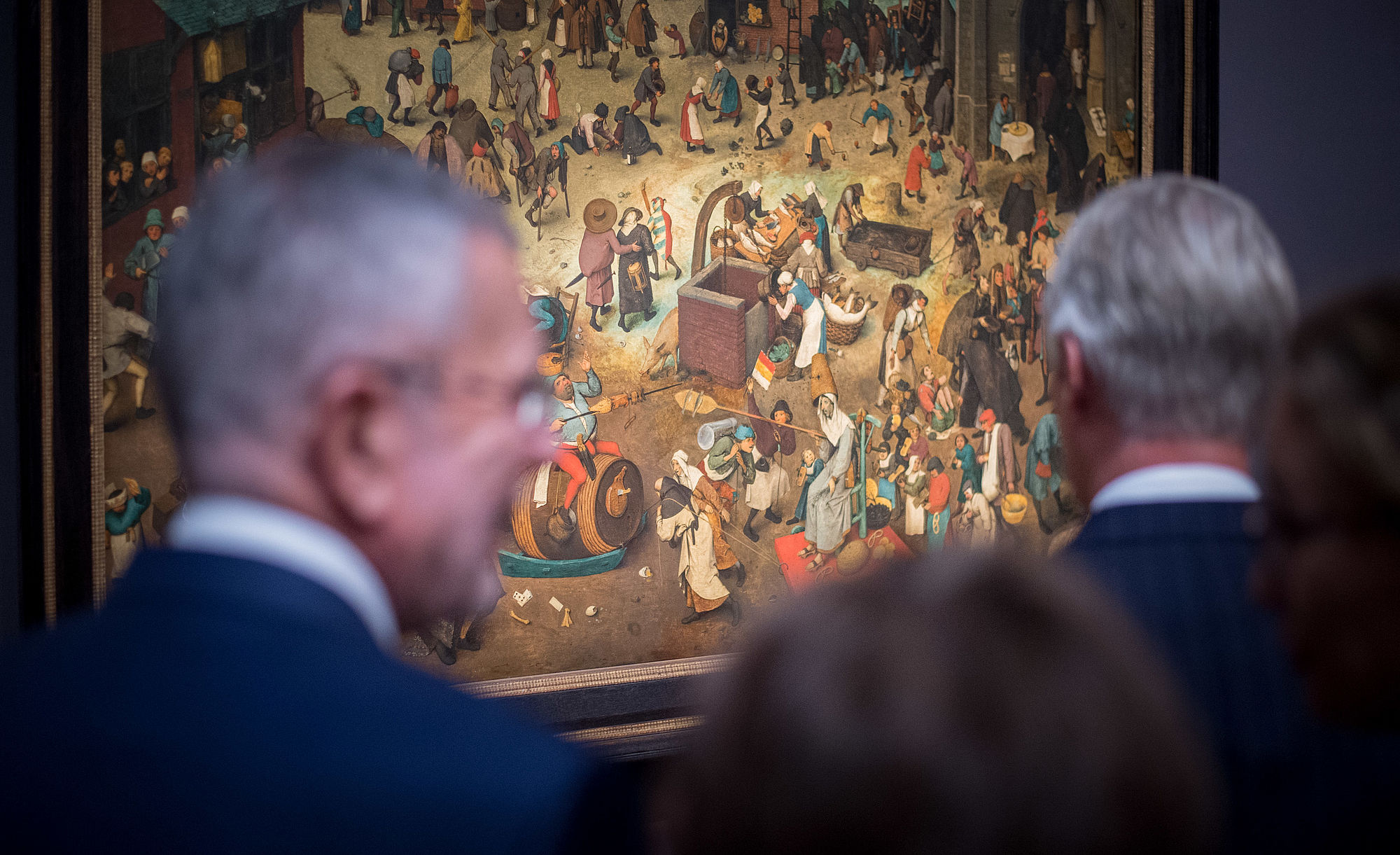
All three paintings are by the artist who is now the focus of this exhibition, Pieter Bruegel the Elder.
His paintings – many more than the three I have just mentioned – have hung here at the Kunsthistorisches Museum for centuries.
Many Austrians also perceive his paintings as belonging to our cultural heritage.
This is not cultural imperialism – quite the contrary, it underlines our country’s long European tradition.
That tradition originated at a time when the nation state was not yet a widespread form of political organisation, multilingualism was common and Austria was politically oriented to western Europe.
At the same time, Europe was engulfed by war and in the sixteenth and seventeenth centuries was a place
where peace proved elusive.
It would be wonderful if cooperation were as successful in every other area of European integration as it is in arts and culture.
The Counter-Reformation, the Peasants’ Wars and finally the Thirty Years’ War prevented lasting prosperity in Europe, in spite of enormous technical and economic progress.
Fortunately, things are different these days. Despite all the pessimistic voices and predictions, today’s Europe is a prosperous continent and more cohesive than it has ever been in its history.
It would be wonderful if cooperation were as successful in every other area of European integration as it is in arts and culture.
This impressive exhibition of the work of Pieter Bruegel the Elder is an excellent reflection of that.
I have already seen the exhibition, and I must say, I’m very impressed. As a layman I can only guess how much work and effort went into putting together an exhibition of this kind.
Therefore, I would like to express my particular thanks to the curators, who have proven their great expertise by organising this exhibition.
I would also like to thank all of the lenders and the General Director of the Museum, Sabine Haag.
And finally I wish the exhibition the full success it so richly deserves.
Thank you.